What makes Summer Camp Project different?
It takes a community, a village to raise a child.
Most campership programs are tied to a single camp or religious organization — which means the kids who need options most get the fewest.
We do not run a camp, nor do we represent one. That independence is intentional. It means the kids we serve get access to the full range of summer camp experiences, chosen for fit, not affiliation.
Summer Camp Project is different. We believe that equity means giving a kid the freedom to choose the exact camp that fits their passions—whether that’s a STEM camp in Seattle, a wilderness survival camp in the Cascades, or an arts program on the Sound.
The Science of Camp
At the Summer Camp Project, we believe that financial barriers should never limit a child's potential. Our program is built on an evidence-based model proving that camperships do more than fund a summer vacation—they serve as a catalyst for lifelong social, emotional, and cognitive development.
Camperships, are financial aid scholarships awarded to a child to help cover the expenses of attending summer camp. These programs are designed to remove financial barriers, and allow low-income, at-risk youth to attend summer camp, and participate in outdoor and recreational experiences regardless of their family's economic situation. They are backed by robust social science and medical research proving they break cycles of isolation, build critical workforce skills, and improve health outcomes.
Because camperships directly target under-resourced youth, peer-reviewed studies show these children actually experience greater developmental leaps from the camp experience than their higher-income peers.
How We Create Change
The Problem
Under-resourced, at-risk, and marginalized youth face a widening “opportunity gap” during out-of-school time, leading to summer learning loss, social isolation, and heightened anxiety.
Inputs
Donor Funding & Community Partnerships
Activities
100% Funded Camperships for At-Risk Youth
Outputs
High-Quality Summer Camp Immersion
Outcomes
Social-Emotional Skill Growth — Increased Autonomy — Resilience & Independence
Long-Term Impact
Broken Cycles of Isolation — Higher Educational Attainment — Diverse, Workforce-Ready Leaders
The Mechanism
By removing financial barriers, we place youth into a structured, supportive, peer-driven nature environment.
The Result
Campers develop acute social-emotional skills, independence, and resilience, which they carry back to their schools and communities.
The Financial Barrier
Summer camp costs can be a significant barrier for many families, with programs ranging from specialized day activities to overnight experiences.
Summer camp in Washington State is expensive due to high costs for staffing, insurance, property maintenance, and specialized programming.
$1000-1500 = cost-per-child for a week of overnight camp.
Summer programs are vital for low-income families to bridge this gap, providing affordable, enriching childcare, and ensuring kids don't lose access to essential social, educational, and nutritional resources during summer breaks.
The Solution
Summer Camp Project is deliberately lean, agile, and modern. We do not have a physical facility. We are a disruptive, child dignity-first model. We aim to play a critical role in expanding access to these opportunities through scholarships and subsidized programming.
We focus on fundraising for camp scholarships, which are the means for kids to attend camp, while camps can focus on providing the quality learning experience the kids deserve.
Key Benefits of Summer Camp
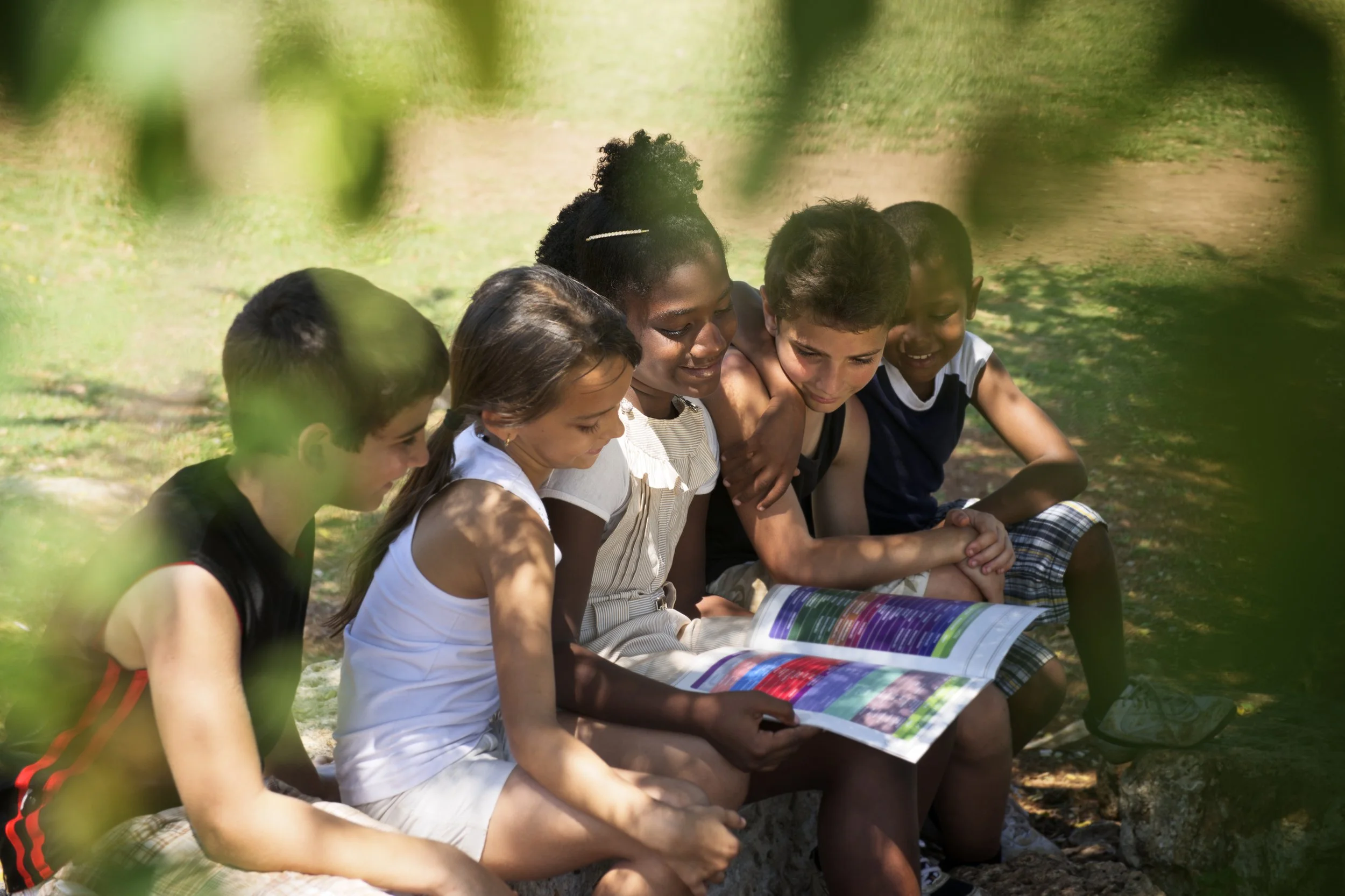
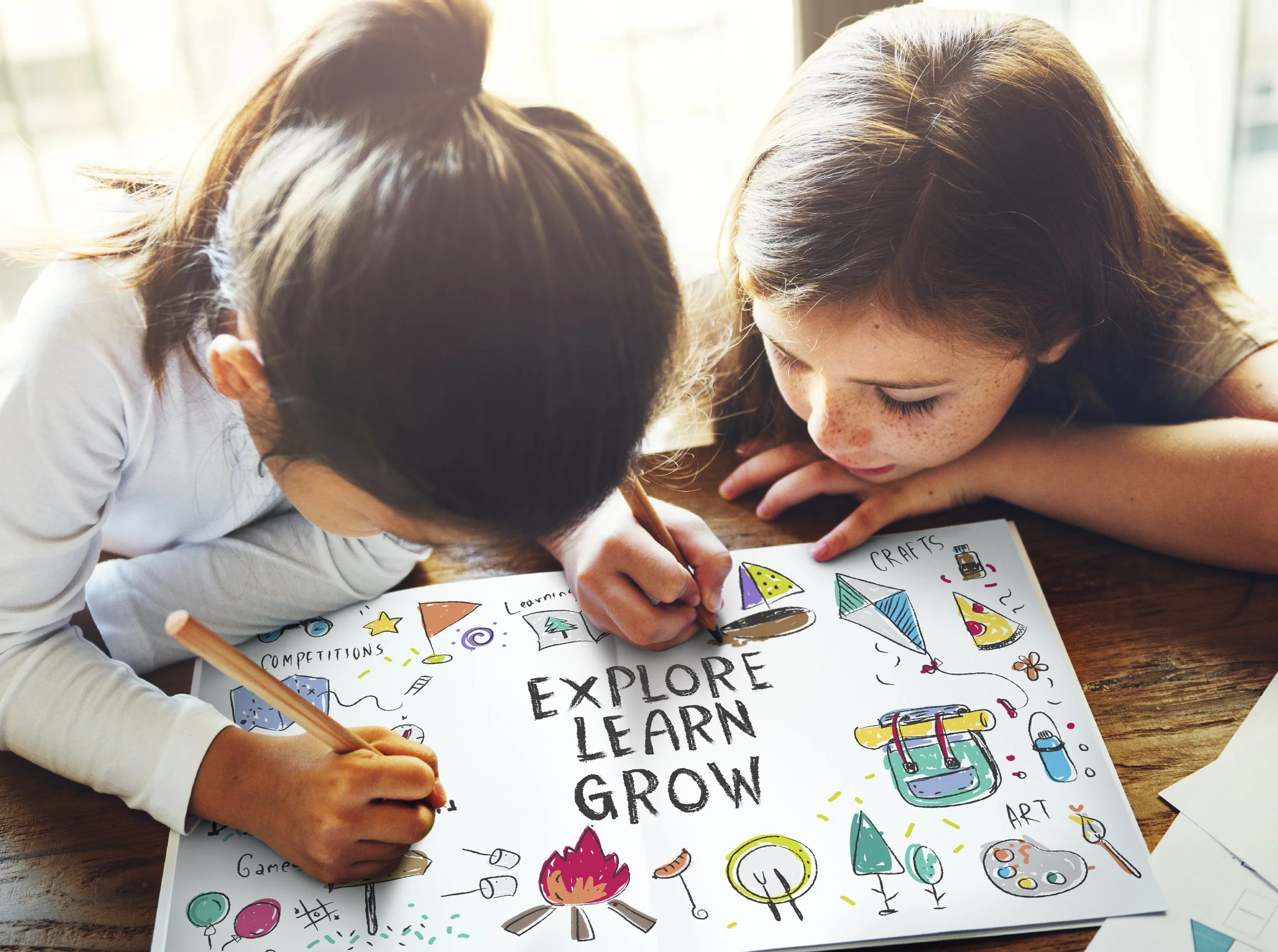
Camps offer unique opportunities for physical activity, exploring personal interests, building community, and gaining confidence through new experiences and challenges with caring adult role models, creating lasting positive impacts on well-being and future success.
-
Develop empathy, communication, leadership, and teamwork through face-to-face interaction, fostering deep friendships and a sense of belonging.
-
Learn self-reliance, problem-solving, and adaptability by navigating new situations and overcoming challenges away from home.
-
Explore passions, try new things in a safe space, and achieve small victories, building self-esteem and a positive self-image.
-
Develop compassion, responsibility, and contribution through shared community experiences with positive adult mentors.
Combats “Summer Slide”
Provides enrichment to prevent learning loss in math and reading.
Climate Change Education
Washington state summer camps blends interactive STEM with immersive wildnerness ecology. Programs leverage the region’s diverse ecosystems.
From the Salish Sea to old-growth forests, camp is a place where youth can learn about environmental stewardship, carbon cycles, and climate resistance through hands-on field science. Young people are the stewards of the planet, they will need to experience nature’s value to be aware of what they need to protect.
A Focus on Play
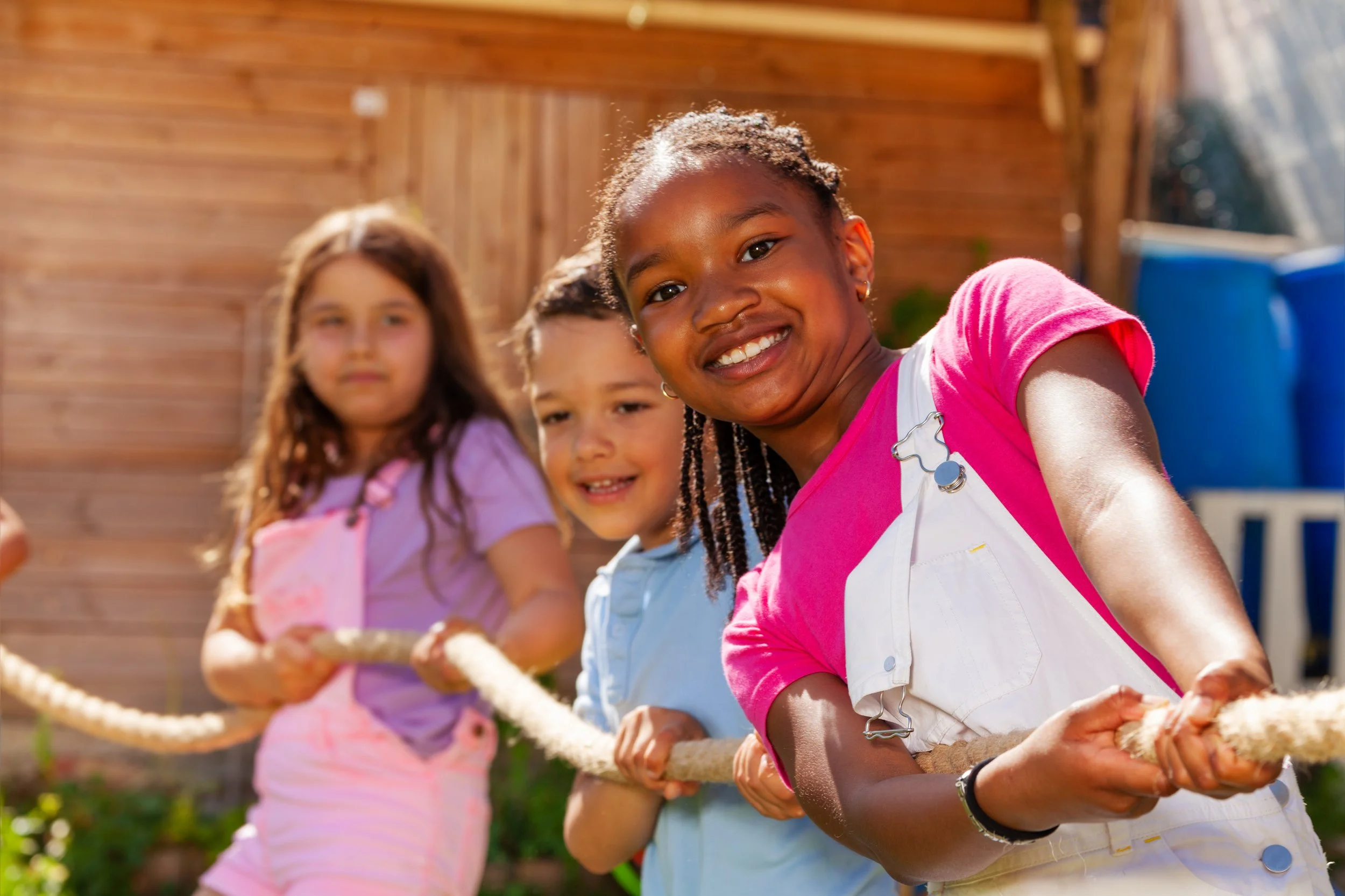
Fun is the standard. We focus on providing opportunities and foster safe environments where kids can be kids.
Screen-Free Environment
Promotes real connection and deeper engagement with the world.
Provides Essential Childcare
For working parents, the end of the school year creates a 9-to-10 week childcare void. Without affordable, accessible camps, low-income parents are forced to make tough decisions between staying home, paying exorbitant for-profit rates, or leaving children unattended.
Long-Term Skills
Cultivates crucial 21st-century skills like critical thinking and collaboration.
Combats Food Insecurity
When schools close, many children lose access to free and reduced-cost meals. Many camps partner with federal programs (like the USDA’s Summer Food Service Prgram) to ensure kids receive consistent, nutritious meals while at camp.
2. Supporting Research Evidence
We anchor our work in peer-reviewed social science, pediatric health studies, and youth development data.
Category A: Closing the Opportunity Gap
The Equalizer Effect: Research confirms that when under-resourced youth are given access to Out-of-School Time (OST) programs, they experience a disproportionately higher developmental leap in social skills and motivation compared to their higher-income peers. (Source: Journal of Youth Development) Immersive camp environments actively disrupt the summer learning gap and sedentary lifestyle cycles by stimulating cognitive curiosity and physical teamwork.
Levine & Viano, Promising Practices of Out-of-School Time Programs for Low-Income Adolescents: A Systematic Review, 2025
Category B: Positive Youth Development & The "6 Cs"
Our program targets the core pillars of PYD: Competence, Confidence, Character, Connection, Caring, and Contribution. National impact studies show that in under two weeks, youth exhibit measurable growth in emotional self-regulation, empathy, and independent problem-solving. (Source: ACA National Impact Studies) The top skills requested by modern employers—collaboration, relationship building, and accountability—are directly trained through camp's community-living structure.
Lerner, Promoting Positive Youth Development: Theoretical and Empirical Bases, 2005
Category C: Mental Health & Therapeutic Outcomes
For youth facing chronic stress or trauma, specialized camperships provide a safe, psychologically therapeutic environment with immediate boosts in coping mechanisms and self-determination. (Source: Pediatric & Medical Specialty Camps Research) Direct exposure to natural environments has been clinically proven to lower cortisol levels and improve attention spans in developing children.
McEvoy, Cowfer, Knutson, Amylon, The Case for Specialty Summer Camp: A Palliative Care Perspective, 2024
3. Quick-Reference Data Index
The Summer Camp Project — Evidence-based camperships for lifelong impact.| Impact Area | Finding | Source |
|---|---|---|
| Social-Emotional Growth | Kids showed measurable gains in self-esteem, independence, leadership, friendship skills, and social comfort between the start and end of a camp session, reported by staff, parents, and campers themselves. | American Camp Association, 2005 study of 80 camps (via Harvard GSE) |
| Under-Resourced & Urban Youth | Camps serving low-income and urban youth pursue, and largely achieve, the same core outcomes as camps serving wealthier populations: self-confidence, relationship skills, and social-emotional learning. | Warner & Sibthorp, Children and Youth Services Review, 2020 |
| Mental Health & Well-Being | Across 26 studies of over 6,800 children, summer programs showed a general pattern toward improved mental health and self-perception—with the strongest gains seen in programs serving disadvantaged children specifically. | Systematic review & meta-analysis, 2024 |
We Nurture Curiosity
Every child deserves a week to explore, discover, and simply be a kid. Join The S'mores Society — give $100/month, and over the year you'll send one child to a full week of overnight camp.
[Join The S'mores Society →]