What makes Summer Camp Project different?
It takes a community, a village to raise a child.
Most campership programs are tied to a single camp or religious organization — which means the kids who need options most get the fewest.
We do not run a camp, nor do we represent one. That independence is intentional. It means the kids we serve get access to the full range of summer camp experiences, chosen for fit, not affiliation.
Summer Camp Project is different. We fundraise and build relationships so young people can choose the camp that's right for them, not just the one with strings attached.
What is a campership?
A campership is a financial grant or scholarship awarded to a child to help cover the expenses of attending summer camp. These programs are designed to remove financial barriers, allowing youth to participate in outdoor and recreational experiences regardless of their family's economic situation.
We Nurture Curiosity
The power of summer camps lies in fostering holistic child development by providing hands-on learning, social-emotional growth, and independence in a supportive, screen-free environment, building essential life skills like resilience, teamwork, and self-reliance that complement academic learning and combat the "summer slide" or learning loss.

Key Benefits of Summer Camp
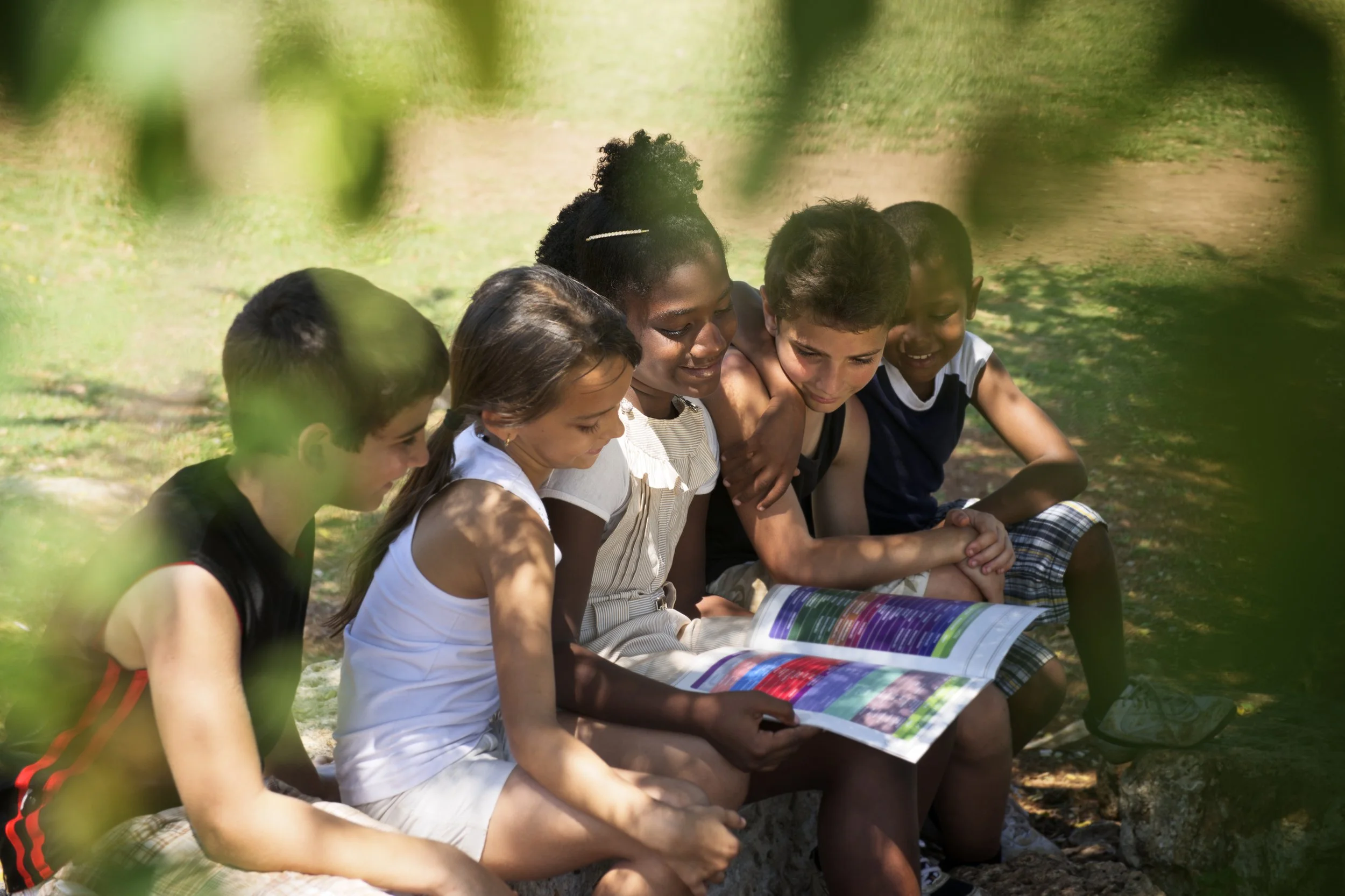
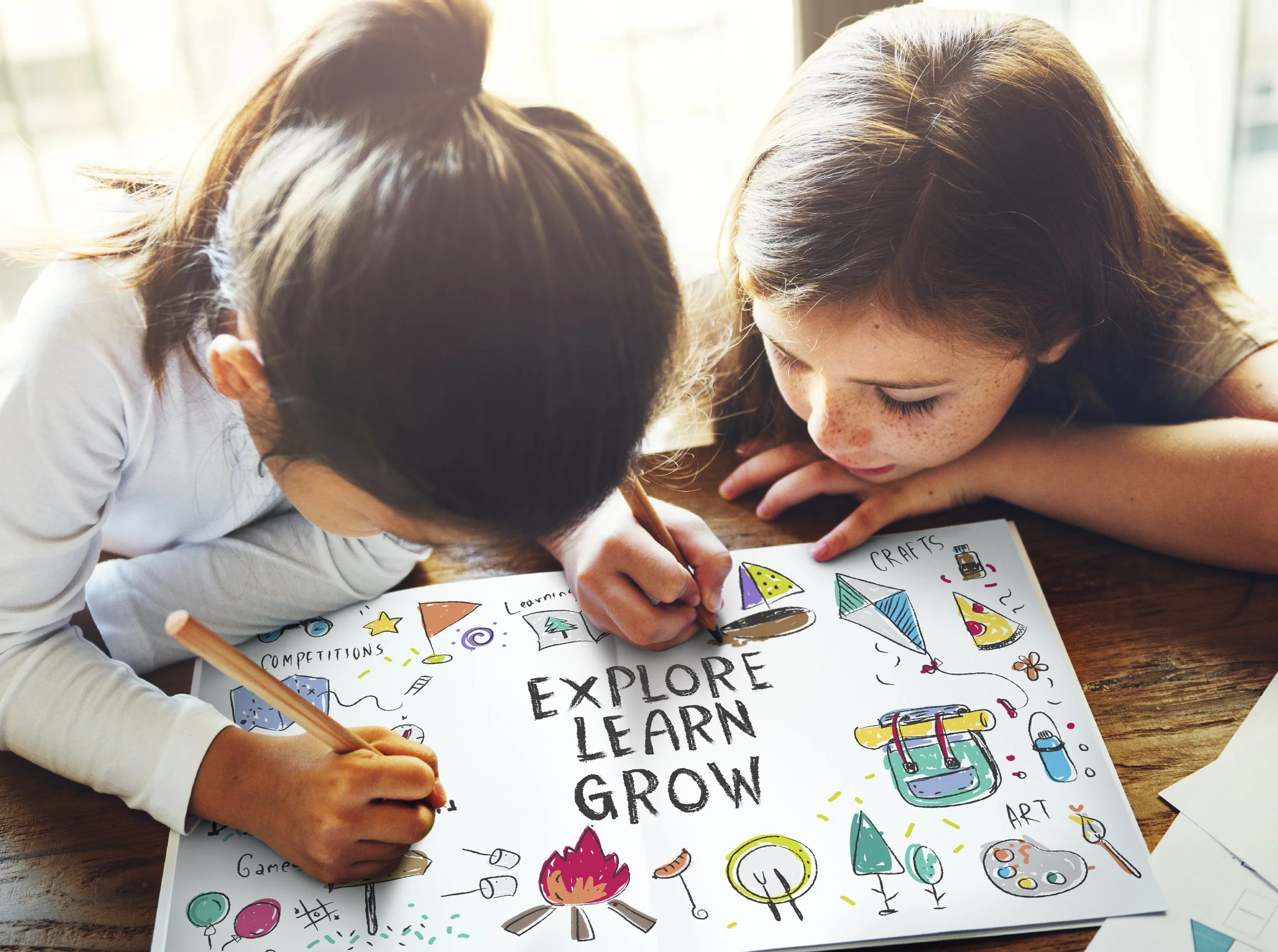
Camps offer unique opportunities for physical activity, exploring personal interests, building community, and gaining confidence through new experiences and challenges with caring adult role models, creating lasting positive impacts on well-being and future success.
-
Develop empathy, communication, leadership, and teamwork through face-to-face interaction, fostering deep friendships and a sense of belonging.
-
Learn self-reliance, problem-solving, and adaptability by navigating new situations and overcoming challenges away from home.
-
Explore passions, try new things in a safe space, and achieve small victories, building self-esteem and a positive self-image.
-
Develop compassion, responsibility, and contribution through shared community experiences with positive adult mentors.
Combats “Summer Slide”
Provides enrichment to prevent learning loss in math and reading.
A Focus on Play
Fun is the standard. We focus on providing opportunities and foster safe environments where kids can be kids.
Screen-Free Environment
Promotes real connection and deeper engagement with the world.
Long-Term Skills
Cultivates crucial 21st-century skills like critical thinking and collaboration.
Our learnings
The campership program is rooted in research and designed for real impact — sustained by donors, community partners, and a commitment to innovative approaches that keep young people at the center.
Frequently Cited Research
ACA Youth Impact Study (2004–2006)
1
The first national-scale study of its kind. It focused on camper outcomes related to positive identity, social skills, physical and thinking skills, and positive values — and youth reported increased scores in nearly all of these areas, with most gains staying stable or continuing to grow six months after camp. (American Camp Association)
ACA National Camp Impact Study (2017–2022)
2
The first longitudinal study of its kind, covering both youth and staff research across five years. It found that camp supports mental health, builds resilience and confidence, and creates time away from technology. 58% of youth reported camp helped them appreciate being present in the moment — developing in-person relationships and reducing distractions.
This follow-up study found that three years after attending summer camp, increases in affinity for nature and willingness to try new things still persisted — strong evidence for durable behavioral change. (American Camp Association)
3
This study found improved cooperation, empathy, and communication in camp environments, and is one of the most frequently cited peer-reviewed works on camp's social-emotional outcomes. (Journal of Youth Development)
4
This study examined the developmental outcomes of the camp experience alongside the specific settings, structures, programs, and activities that make camp an effective positive youth development environment. Camp gives young people space to explore an authenticity often missing elsewhere in their lives — and that this contributes to healthy transitions into adulthood. Findings show benefits for both campers and staff. (New Directions for Youth Development)
5
Drawing on data from Girl Scouts USA and YMCA camps, this study examined DEI strategies, challenges, and staff needs across national youth-serving organizations — one of the few studies to look at equity and access at scale rather than just developmental outcomes (Journal of Youth Development)
Financial Transparency Hub
501(c)(3) Federal Tax ID #41-3590142. IRS Determination Letter
Articles of Incorporation
Conflict of Interest
Governance Bylaws